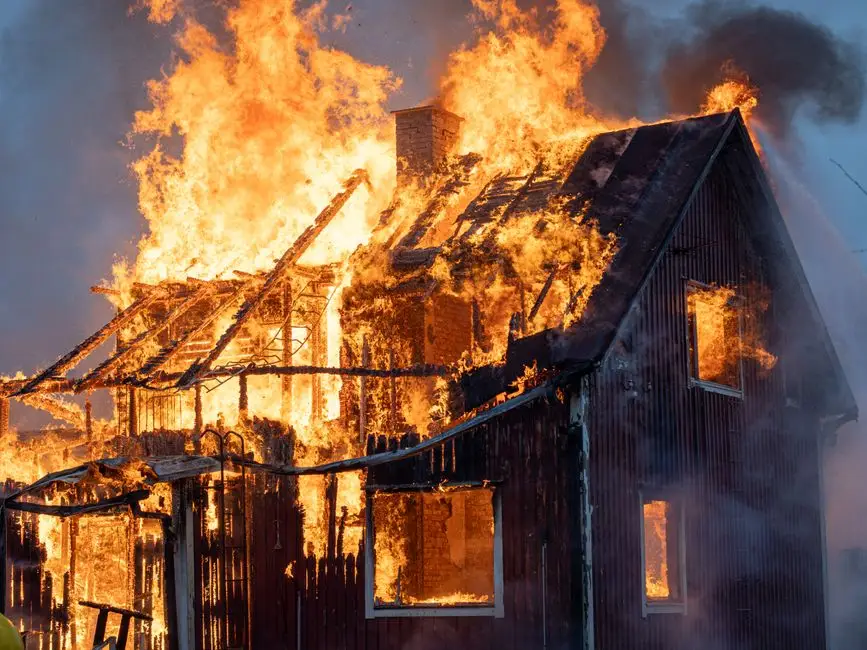
Board-up, soot removal, and smoke odor control - 24/7
Emergency Fire Damage Restoration in MISSION HILLS
Emergency Fire Damage Restoration in MISSION HILLS means stopping the damage the fire left behind: charred framing, acidic soot, and smoke pushed into every wall cavity. We board up, extract firefighting water, and start drying the same day you call. Whether it's a kitchen grease fire in Mission Hills Village or an attic fire in Mission Hills Hillside, our crew handles the emergency fire restoration in MISSION HILLS California so your insurance claim and your rebuild both start on solid ground.
Live phone supportUpfront optionsBacked workmanship
What's included
What Emergency Fire Damage Restoration Includes
The core scope covers everything needed to stabilize the property and remove the damage the fire left behind. Rebuild work is priced separately once the structure is dry and clean, and we tell you which is which before we start.
Emergency Board-Up and Tarp
Windows, doors, and roof openings get secured with plywood, bracing, and tarps the same day. This stops rain intrusion, theft, and further smoke migration while the claim and scope are sorted out.
Water Extraction and Drying
Firefighting water is extracted with truck-mounted units, then dehumidifiers and air movers run 3 to 5 days with daily moisture readings. Drying is documented, not assumed, which protects you if mold questions come up later.
Soot and Residue Removal
HEPA vacuums and soot sponges remove acidic residue from walls, ceilings, and hard surfaces. We work top-down and room by room so cleaned areas are not re-contaminated by the next room's soot.
Smoke Odor Neutralization
Thermal fogging and hydroxyl generators treat cavities, insulation, and soft goods. Ductwork gets cleaned and sealed so the HVAC system does not redistribute smoke odor every time the heat kicks on.
Documentation for Your Claim
Room-by-room photos, moisture maps, and a written scope formatted for adjusters. You get a copy, and your insurance company gets the evidence it needs to process the claim without repeated site visits.
Service overview
What Emergency Fire Damage Restoration in MISSION HILLS Covers
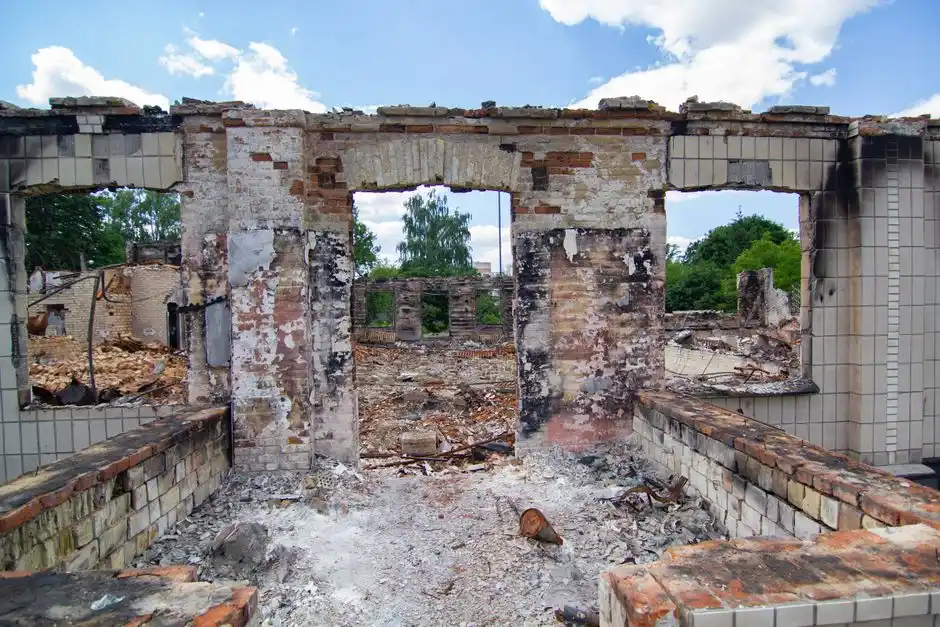
Emergency Fire Damage Restoration in MISSION HILLS is the first-response trade that stabilizes a fire-damaged building before reconstruction begins. That means securing the structure, removing char and soot, extracting the hundreds of gallons of water the fire department left behind, and neutralizing smoke residue in walls, ducts, and insulation. We use HEPA vacuums, soot sponges, and thermal foggers to pull residue out instead of wiping it around. Every step is documented with photos and moisture readings so your adjuster sees the same evidence we do.
In MISSION HILLS, the damage rarely stops at the burn. Santa Barbara County's dry, windy fall and winter months push embers into attic vents and roof eaves, which is why attic fire damage calls spike between October and February. Older homes near the Mission Hills Historic District often have original lumber and plaster that hold smoke odor far longer than modern drywall. If you need 24 hour emergency fire damage restoration MISSION HILLS CA, we roll with air scrubbers and hydroxyl generators already loaded, not a clipboard and a promise.
How we workWe verify the cause, compare realistic options, and confirm the repair before we leave.
The service timeline
What to Expect From Call to Final Walkthrough
The process flexes to the condition, but these checkpoints keep decisions clear.
Emergency Call and Dispatch
You call (833) 929-6186 and describe the fire. We ask about the room of origin, whether the power is off, and whether the roof is compromised. A crew is dispatched with board-up materials, extraction equipment, and PPE already on the truck. Most MISSION HILLS addresses see a crew on site within 60 to 90 minutes of the call.
Secure and Assess
We board windows and doors, tarp roof damage, and shut off utilities if they are still live. Then we walk the structure with a thermal imaging camera and moisture meter to find hidden smoke damage behind drywall and water under flooring. You get a room-by-room scope the same day.
Water Extraction and Drying
Firefighting water comes out first. Truck-mounted extraction pulls standing water, then dehumidifiers and air movers run for 3 to 5 days. We check readings daily and do not pull equipment until the structure is dry to standard. This step prevents the mold growth that follows so many fire losses.
Soot, Smoke, and Odor Removal
Crews HEPA-vacuum surfaces, sponge soot from walls and ceilings, and clean ductwork. Thermal fogging and hydroxyl generators neutralize odor molecules in cavities and soft goods. Hard surfaces get an encapsulant sealer or shellac primer so odor cannot bleed back through fresh paint.
Final Walkthrough and Rebuild Handoff
We walk the property with you, review the photo documentation, and hand off a scope your contractor can price. If structural repair after fire is needed, we coordinate the framing, drywall, and finish work so you are not managing three separate trades. Final documentation goes to you and your adjuster.
Tools & methods
Equipment and Standards We Work To
Purpose-built equipment, used by trained technicians, so the job is done accurately the first time.
Thermal Fogger
Vaporizes thermal fogging solution into a penetrating mist that reaches wall cavities, insulation, and furniture where smoke residue settles. It is the standard tool for odor that has soaked into a structure.
Hydroxyl Generator
Runs continuously in occupied-adjacent spaces to break down smoke molecules without the ozone risk. We use it for multi-day odor treatment in bedrooms, living areas, and HVAC plenums.
Air Scrubber and Negative Air Machine
Filters airborne soot particles and creates pressure differentials that keep contamination from spreading into clean rooms. Essential when a fire has affected only part of a house.
Thermal Imaging Camera
Finds hidden smoke damage behind drywall and water trapped in ceiling cavities. It is how we catch damage that a visual walkthrough would miss.
Moisture Meter
Reads moisture content in framing, subfloor, and drywall. Daily readings are logged and shared with your adjuster to prove the structure is dry before equipment is pulled.
HEPA Vacuum and Soot Sponge
The first pass on every surface. HEPA vacuums capture fine soot particles instead of pushing them around, and soot sponges lift residue from walls and ceilings without smearing.
Dri-Eaz and Phoenix Restoration Equipment
Commercial-grade dehumidifiers and air movers that hold up under multi-day drying cycles. We run this class of equipment because consumer units cannot dry a fire-soaked structure in time.
Use cases
When to Call for Emergency Fire Restoration
These examples show how the service framework adapts rather than forcing every call through one repair.
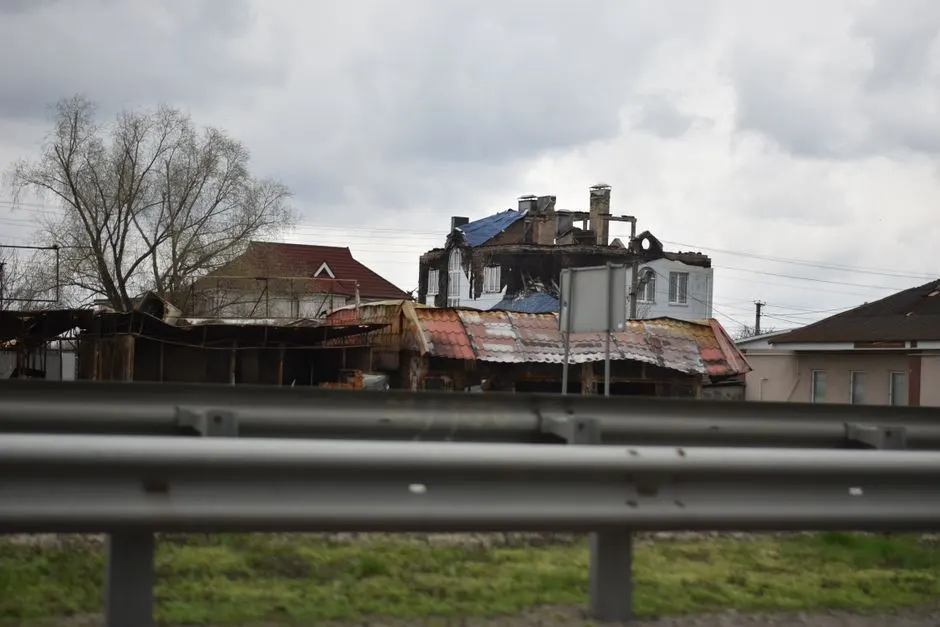
Attic Wiring Fire, Mission Hills Hillside
Old wiring ignited insulation in the attic. The fire department cut a vent hole and soaked the ceiling below, leaving charred framing and standing water in the ceiling cavity. Rain was forecast for the next day. → The roof was tarped the same evening, water was extracted, and charred insulation was removed. Framing was sealed with encapsulant, and drying equipment ran for four days until moisture readings hit dry standard. New insulation went in after the structure was verified dry.
Four-Unit Apartment Fire, Downtown Mission Hills
A fire in one unit sent smoke through the shared hallway and into three neighboring units. The property manager had four separate insurance claims to file and no clear documentation separating tenant property from structural damage. → Each unit was assessed and documented separately, with photos and scopes formatted for each carrier. Board-up was completed the same evening. Three units were cleaned and odor-treated within a week, and the unit of origin went to rebuild with a clear scope.
Problems we solve
Problems We Solve After a Fire
The fire is the event. The problems start afterward, and they compound if nobody stops them. Here is what we hear most from MISSION HILLS homeowners and how we handle each one.
Smoke odor keeps returning after cleaning
We treat the source, not the air. Thermal fogging reaches cavities, hydroxyl generators break down smoke molecules, and duct cleaning removes the residue your HVAC has been circulating. Charcoal odor absorbers stay behind to catch what off-gasses after we leave.
Insurance claim stalled over missing documentation
Our crews document before, during, and after. You get photo sets, moisture maps, and a written scope formatted the way adjusters expect. We have watched claims move in days instead of months when the evidence is complete from the start.
Mold growing in walls weeks after the fire
We extract standing water the same day and run dehumidifiers and air movers until moisture meter readings hit dry standard. Daily logs prove the structure is dry before walls close, which is the only real defense against post-fire mold.
Charred framing and open roof left exposed
Board-up and tarping happen the same day, with structural bracing where needed. Once the building is safe, we assess framing and coordinate structural repair after fire under CSLB B General Building licensing.
Pricing process
What Emergency Fire Damage Restoration Costs
$1,200 - $4,500 for single-room restoration; $8,000+ for whole-house smoke and structural work
Square footage affected
A single room with contained damage prices very differently from a whole-house smoke event. Square footage drives equipment count, labor hours, and the number of drying days.
Soot and smoke severity
Wet smoke from a slow-burning fire stains deeper than fast-burning flame. Heavy residue means more cleaning passes, more sealing, and longer odor treatment.
Water volume from firefighting
Every fire is also a water loss. Hundreds of gallons can soak subfloor and framing, adding extraction and 3 to 5 days of drying to the scope.
Who does emergency fire restoration near me in MISSION HILLS CA?
Fire Damage Restoration Mission Hills does, and we are reachable at (833) 929-6186 around the clock. We handle board-up, water extraction, soot and smoke removal, and odor neutralization for homes and businesses across MISSION HILLS and Santa Barbara County. Crews arrive with equipment loaded, assess the structure the same day, and give you a written scope before work starts.
How fast can you respond to emergency fire damage in MISSION HILLS California?
Most MISSION HILLS addresses see a crew on site within 60 to 90 minutes of your call. Dispatch time depends on traffic and current call volume, but emergency calls jump the queue. We confirm an arrival window when you call, and the crew calls again when they are 15 minutes out so you are not waiting blind.
Is emergency fire damage restoration available 24/7 in MISSION HILLS CA?
Yes. We run 24/7 emergency fire restoration in MISSION HILLS California, including nights, weekends, and holidays. Fires do not schedule themselves, and the first 24 to 72 hours decide how much of your home's finishes survive. Call any hour and a live person answers, not a voicemail box.
How much does emergency fire restoration cost in MISSION HILLS?
Typical 2026 pricing in this area runs $1,200 to $4,500 for board-up, extraction, and soot removal on a single-room fire, and $8,000 and up for whole-house smoke and structural work. Square footage, soot severity, water volume, and whether HVAC ducts are affected drive the number. Most homeowners pay through their insurance claim, and we document the loss so the scope matches the damage.
Related services
Related Services
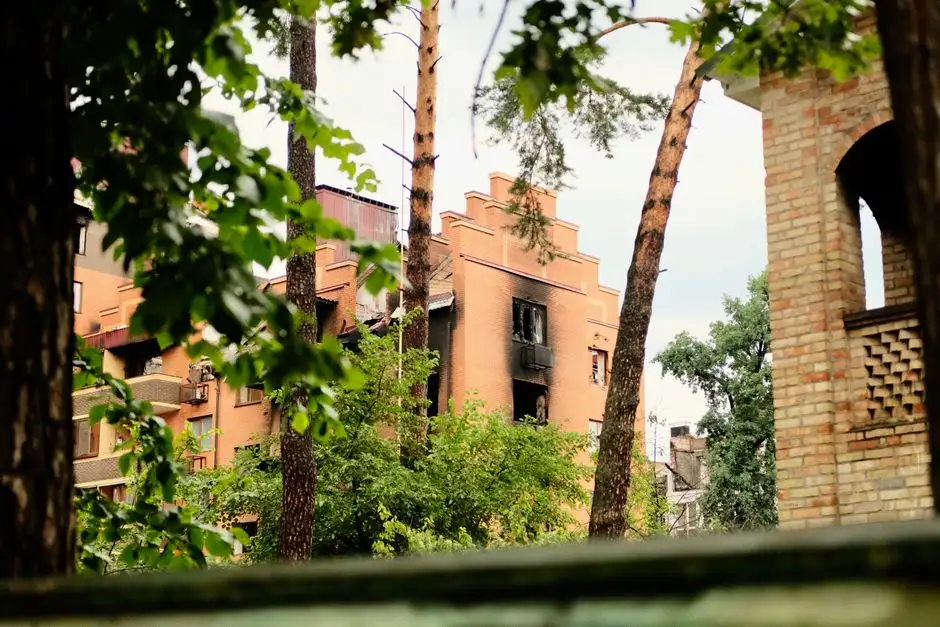
Smoke Damage Restoration
Smoke travels farther than flame. We clean and seal wall cavities, ductwork, and soft goods so smoke residue does not reappear after the rebuild. This runs alongside Emergency Fire Damage Restoration in MISSION HILLS on nearly every job.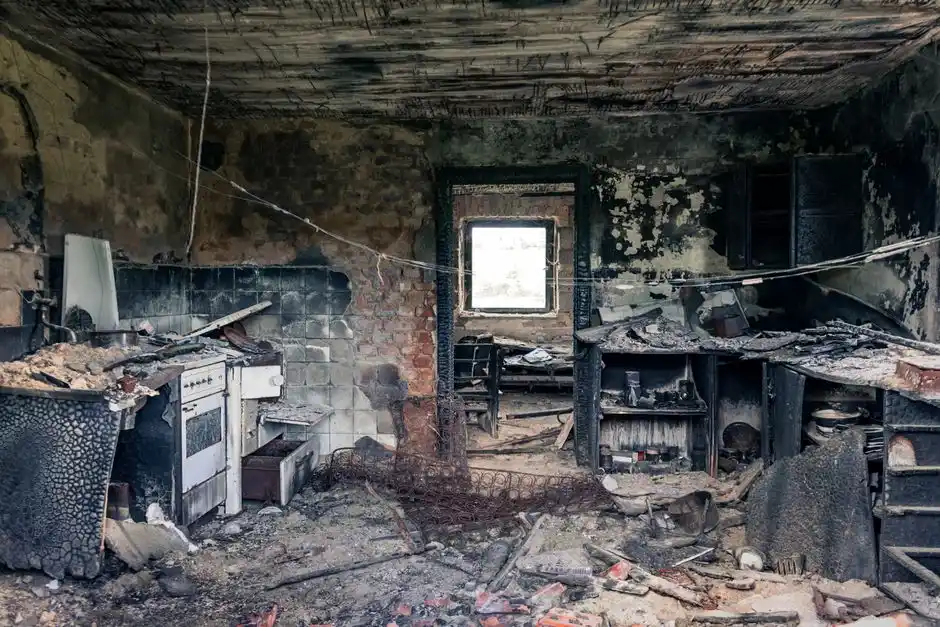
Fire Damage Clean Up
Char removal, debris hauling, and surface cleaning after the fire is out. Cleanup is the visible half of the work; our crews pair it with odor neutralization so the room smells like a room again, not like a campfire.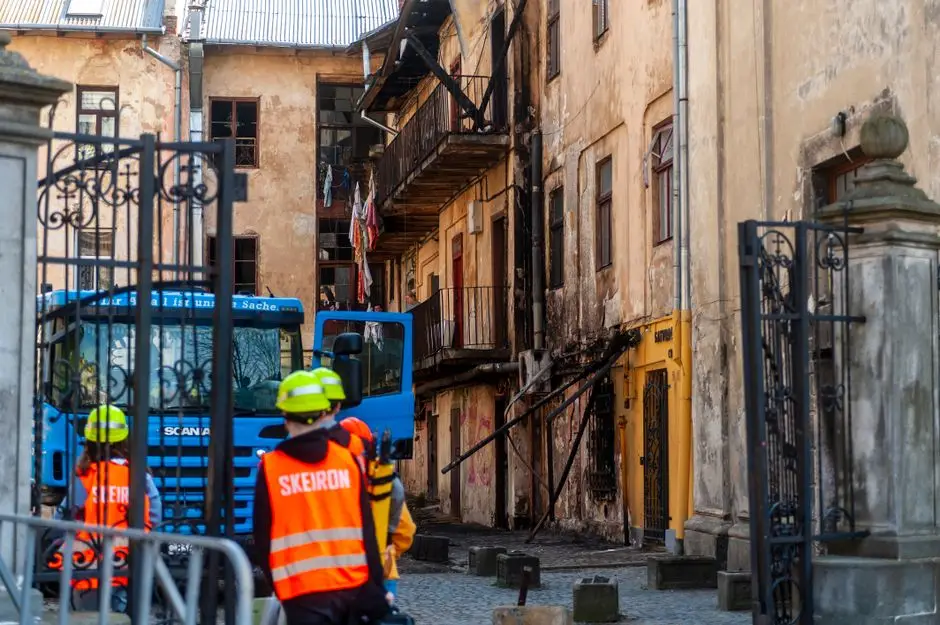
Structural Repair After Fire
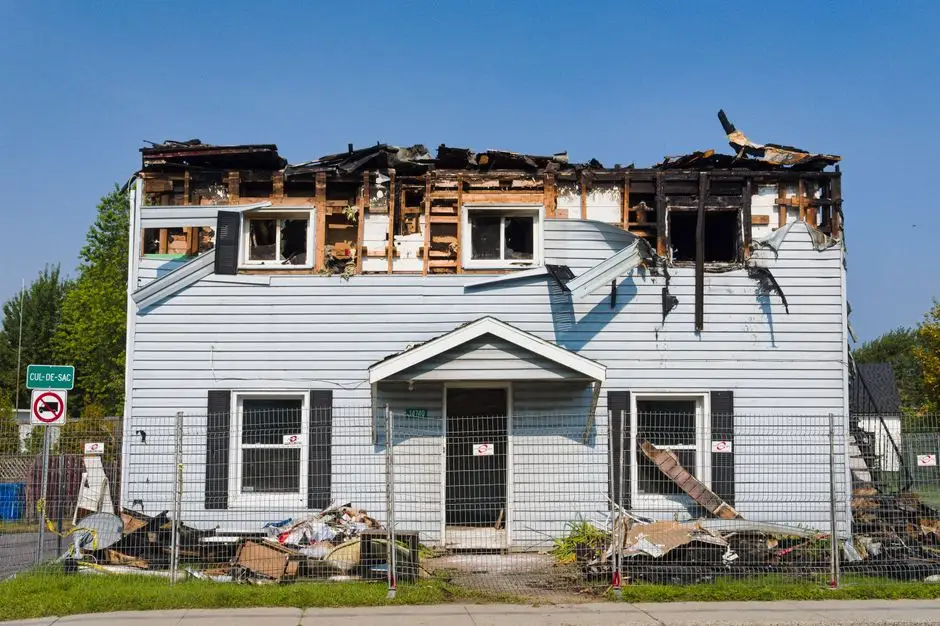
Charred framing, burned joists, and compromised roof sections get replaced to code under CSLB B General Building licensing. We hand off from restoration to rebuild without you hiring a second contractor or re-explaining the scope.Ready when you are
Call for Emergency Fire Damage Restoration in MISSION HILLS
A fire is out, but the damage clock is still running. Soot etches, water soaks, and smoke settles deeper every hour. Call (833) 929-6186 and a crew dispatches with board-up and extraction equipment already loaded. Licensed, insured, and documenting every step for your claim.
Talk with the local team
Request Emergency Fire Damage Restoration
Call us any hour of the day or night at (833) 929-6186. A live dispatcher answers, takes your address and insurance details, and routes the nearest crew. Most MISSION HILLS addresses see a technician within 60 to 90 minutes. You can also email info@firedamagerestorationmissionhills.com and we will respond the same business day.