How to prevent electrical fires in older Mission Hills Historic District homes
Older Mission Hills Historic District homes hide fire risks in their walls. Here is how to spot knob and tube wiring, upgrade your panel, and prevent electrical fires.
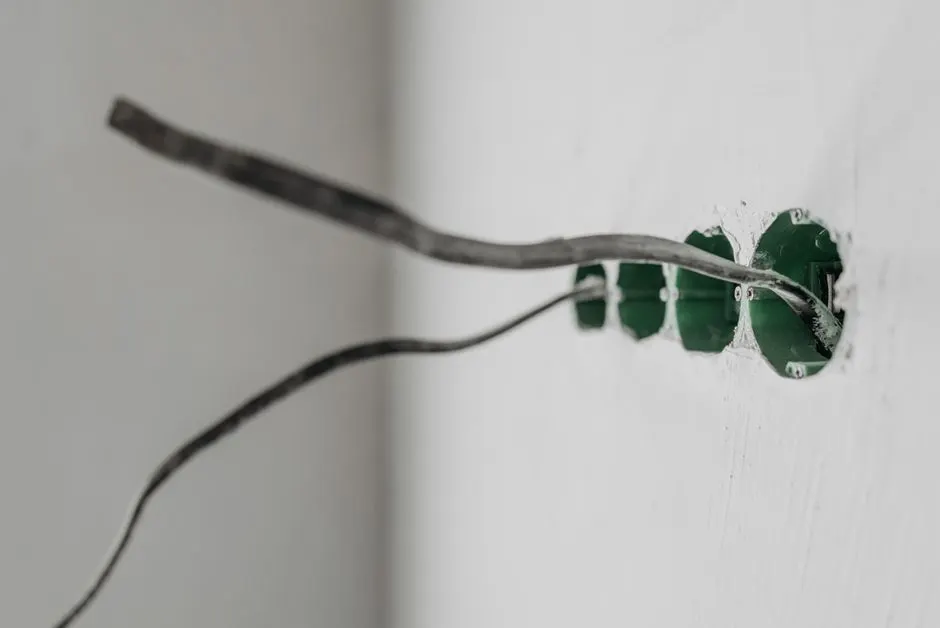
You prevent electrical fires in an older Mission Hills Historic District home by replacing knob and tube wiring, upgrading the electrical panel to handle modern loads, installing AFCI protection, and never overloading circuits. These four steps address the root causes that make pre-1950 houses in this neighborhood burn at higher rates than newer construction.
We have walked through enough historic bungalows and Spanish Colonial revivals here to know where the risks hide. This guide covers what we find, what it costs in 2026, and when to stop DIY-ing and call in a licensed electrician.
Why older Mission Hills Historic District homes are at higher risk
Mission Hills Historic District homes were built between roughly 1908 and 1950, long before grounded outlets, circuit breakers, and the electrical demands of modern life. The wiring that was adequate for a few lamps and a refrigerator is now carrying air conditioners, EV chargers, space heaters, and home offices.
That mismatch is the problem. Original knob and tube wiring was designed for 30 to 60 amps per circuit. Today a single kitchen circuit can pull 20 amps just from a microwave and coffee maker running together. Insulation on that old wire dries out, cracks, and exposes bare copper inside walls where nobody sees it.
We also see a lot of mid-century DIY work in this neighborhood. Homeowners in the 1970s and 1980s added outlets, patched in new runs, and sometimes spliced aluminum wire to copper without the proper connectors. Those junctions heat up over decades and become ignition points.
If you own one of these homes, an electrical fire is not a hypothetical. It is a maintenance issue you can manage. For broader fire damage restoration in Mission Hills Historic District, we handle the cleanup after a fire, but prevention is always cheaper than recovery.
How do I prevent electrical fires in an older Mission Hills CA home?
You prevent electrical fires in an older Mission Hills CA home by getting a professional inspection first, then addressing the specific hazards that inspection uncovers. The order matters: do not start replacing outlets or adding circuits until a licensed electrician has mapped what is actually inside your walls.
Here is the sequence we recommend to every homeowner who calls us after a near-miss or before buying a historic property:
- Full electrical inspection. A licensed electrician opens panels, tests outlets, and inspects attic and crawlspace wiring. Expect 2 to 4 hours and $300 to $600 in 2026 pricing.
- Replace knob and tube wiring. This is the single biggest risk reducer in pre-1950 homes. Whole-house rewiring runs $8,000 to $15,000 depending on square footage and attic access.
- Upgrade the electrical panel. A 200-amp panel with modern breakers costs $2,500 to $4,500 installed. This gives you capacity for today's loads and AFCI protection.
- Install AFCI and GFCI protection. Arc-fault circuit interrupters detect the tiny sparks that precede most electrical fires. GFCI outlets protect kitchens, bathrooms, and laundry areas from ground faults.
- Add whole-house surge protection. A $300 to $800 investment protects your electronics and reduces stress on aging wiring.
Electrical fire prevention in Mission Hills California is not one fix. It is a layered approach that starts with knowing what you have.
Knob and tube wiring: the hidden fire risk in Mission Hills California
Knob and tube wiring is a fire risk in Mission Hills California because its cloth-and-rubber insulation degrades after 70 to 100 years, and the system has no ground wire. When that insulation fails, the bare conductors can arc against wood framing or blow-in insulation.
We find knob and tube in maybe 40 percent of the historic homes we inspect in this neighborhood. It is usually visible in the attic and crawlspace, running along joists on ceramic knobs with tubes protecting the wire where it passes through framing.
The problem is not the knob and tube itself when it was installed. The problem is what happened after. Insulation contractors blew cellulose or fiberglass over live knob and tube runs, trapping heat. Homeowners tapped into circuits for outlets the system was never designed to carry. Rodents chewed through the cloth covering.
Knob and tube wiring safety in Mission Hills California comes down to three options:
- Full replacement. The safest and most expensive option. We recommend this for any home where knob and tube makes up more than 20 percent of the visible wiring.
- Partial replacement. Replace the runs that serve high-demand areas like kitchens and bathrooms, and leave the rest if it tests clean. This is a middle path but requires annual inspection.
- Monitoring only. Not recommended. If your insurance company knows you have knob and tube, they may already be charging a premium or threatening non-renewal.
If you are already dealing with the aftermath of a wiring fire, our Electrical Fire Cleanup MISSION HILLS CA team handles soot, smoke, and char removal from the structure.
When your electrical panel needs an upgrade
Your electrical panel needs an upgrade when it is a fuse box, when it is rated under 100 amps, when it is a known problematic brand like Federal Pacific or Zinsco, or when you cannot add a circuit without tripping the main breaker. Any one of those conditions is enough.
Most Mission Hills Historic District homes we inspect still have the original 60-amp fuse panel or a 100-amp panel installed during a 1970s remodel. Neither is adequate for a modern household. A 200-amp electrical panel upgrade in Mission Hills California typically runs $2,500 to $4,500 in 2026 and takes one to two days.
Signs you are overdue:
- Breakers trip when the air conditioner and microwave run together.
- The panel feels warm to the touch.
- You see rust or scorch marks inside the panel door.
- Your panel has fuses instead of breakers.
- You are planning to add an EV charger, hot tub, or ADU.
Electrical panel replacement in older Mission Hills CA homes sometimes requires a service mast upgrade and coordination with LADWP. We build that into the schedule so you are not without power longer than necessary.
Signs of electrical fire risk Mission Hills California homeowners miss
The signs of electrical fire risk Mission Hills California homeowners miss are the quiet ones: a faint burning smell that comes and goes, outlets that are warm but not hot, lights that dim when the refrigerator kicks on. These are early warnings, not quirks.
Here is what should trigger a call to an electrician:
- Burning or fishy smell near outlets or the panel. That is overheated insulation.
- Discolored or warm outlet covers. Heat is escaping where it should not.
- Buzzing or sizzling sounds from switches or outlets. Arcing is happening inside the box.
- Frequently tripping breakers or blown fuses. The circuit is overloaded or failing.
- Two-prong outlets with no ground. Common in pre-1960 homes and a sign the wiring has not been updated.
- Lights that flicker when appliances cycle on. Loose connections or undersized wiring.
Electrical fire safety tips Mission Hills homeowners should follow: never run space heaters on extension cords, do not overload power strips, replace damaged cords immediately, and keep flammable materials at least three feet from any heat source.
If you smell burning and cannot find the source, turn off the main breaker and call us. Our Emergency Fire Damage Restoration MISSION HILLS CA line is answered around the clock.
Common mistakes that increase electrical fire risk
The most common mistake we see in older Mission Hills homes is treating a 100-amp panel like it is a 200-amp panel. Homeowners add a hot tub, an EV charger, and a pool pump without calculating the load. The panel does not complain until it does.
Other mistakes:
- Using extension cords as permanent wiring. Cords are not rated for continuous load and they overheat.
- Replacing a fuse with a larger fuse. The fuse is sized to protect the wire. Upsizing it defeats the purpose.
- DIY outlet replacement. Backstab connections and loose neutrals cause more fires than any other single failure.
- Ignoring aluminum wiring. Homes built or rewired between 1965 and 1978 may have aluminum branch circuits that need copper pigtails or AlumiConn connectors.
- Skipping the inspection before buying. A standard home inspection does not open panels or test every outlet. Get a dedicated electrical inspection.
We also see homeowners cover up problems with paint and drywall. A scorched outlet painted over is still a scorched outlet. If you are remodeling a historic home, open the walls and look.
When to call a professional
Call a professional electrician when you see any of the warning signs above, when your home has knob and tube or aluminum wiring, when your panel is a fuse box or a recalled brand, or when you are planning any major appliance addition. These are not DIY projects.
At Fire Damage Restoration Mission Hills, we do not do electrical work. We clean up after electrical fires. If you have already had a fire, we handle smoke damage, soot, structural repair, and odor removal. Our Smoke Damage Restoration MISSION HILLS CA team works directly with your insurance adjuster to document everything.
If you are in the middle of a restoration project and need help with the cleanup side, call us. We will tell you honestly whether you need us or whether you need an electrician first.
Frequently Asked Questions
How do I prevent electrical fires in an older MISSION HILLS CA home?
Get a full electrical inspection, replace knob and tube wiring, upgrade your panel to 200 amps, install AFCI protection, and never overload circuits. These five steps address the causes of most electrical fires in pre-1950 homes.
Is knob and tube wiring a fire risk in MISSION HILLS California?
Yes. Knob and tube wiring is a fire risk in Mission Hills California because its insulation degrades after 70 to 100 years and the system has no ground. It is especially dangerous when covered by insulation or tapped for modern loads.
How often should electrical panels be inspected in MISSION HILLS CA?
Electrical panels in Mission Hills CA should be inspected every 3 to 5 years, or annually if the panel is over 30 years old or serves a home with knob and tube wiring. A professional inspection costs $150 to $300.
What causes electrical fires in old homes in MISSION HILLS?
Electrical fires in old Mission Hills homes are caused by degraded knob and tube insulation, overloaded circuits, loose connections, aluminum wiring, and outdated panels that cannot handle modern electrical loads. Most are preventable with an inspection and targeted upgrades.
Does homeowners insurance cover knob and tube wiring?
Most carriers will insure a home with knob and tube wiring only if it has been inspected and certified, and some charge a premium or require partial replacement. Check with your carrier before you buy a historic home.
Get help with Fire Damage Restoration in MISSION HILLS
If an electrical fire has already happened, we are ready to help. Our team handles emergency board-up, smoke and soot removal, structural repair, and odor removal for homes across Mission Hills.
Call Fire Damage Restoration Mission Hills at (833) 929-6186. We answer 24 hours a day and can be on-site within the hour for emergencies.